1. Count and photograph
The team inventories every container, drum and spill area before touching anything. Photos record the starting condition for insurers and inspectors.
Washington, DC · District of Columbia
A leaking tank, a crashed truck or an unknown liquid in Washington calls for more than a mop. Call (877) 812-4220. Crews handle fuel, oil, solvent and chemical spills with the right gear and containers.
If anyone is in danger, call 911 first. For a suicide crisis, call or text 988.
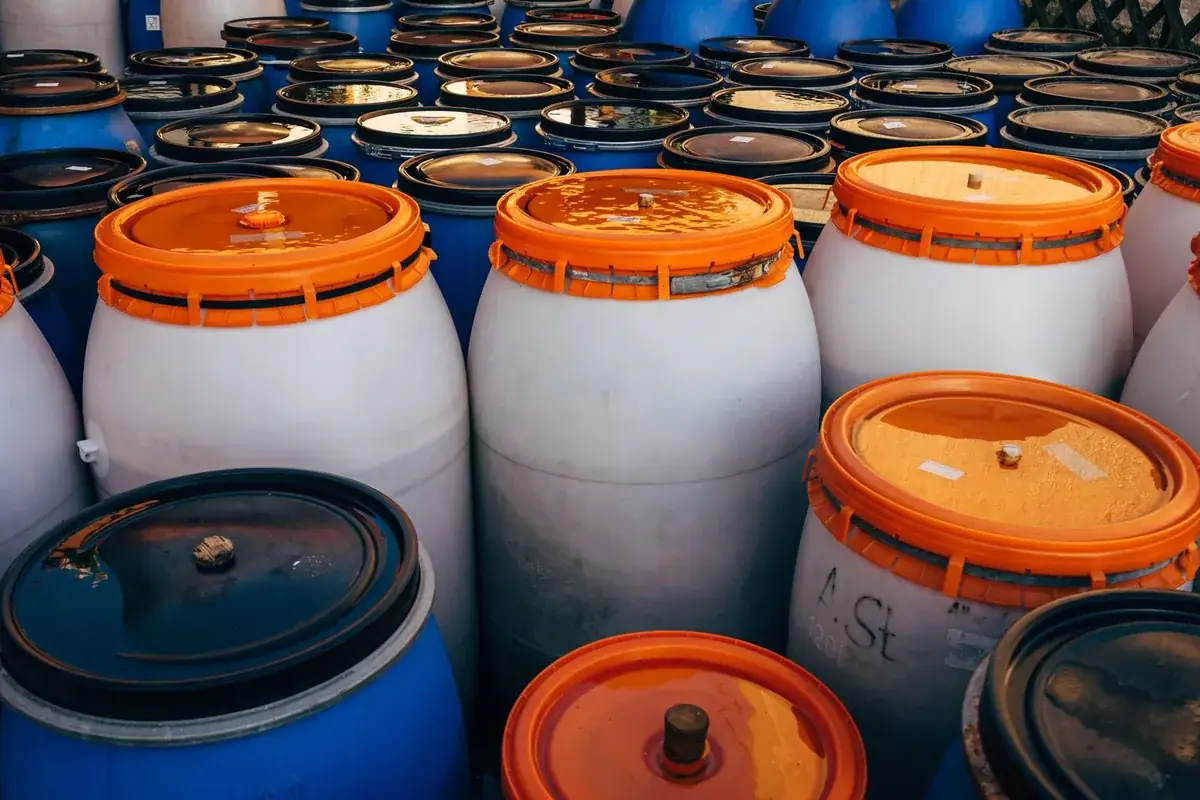
Hazardous materials cleanup begins after responders make the scene safe. Crews identify the material, stop the spread, collect it with its contaminated debris and send it to a facility that can accept it.
Need hazmat cleaning services in District of Columbia, including Washington? You get materials sorted by hazard, packaged so they cannot react, and the surfaces they leave behind cleaned. Call Washington Biohazard Cleanup Help for help.
District of Columbia has a Relatively High river flood risk rating from FEMA, and floodwater can tip over tanks and drums and carry hazardous materials across a site. A plan for a spill in Washington should include where to seek care, such as Medstar Washington Hospital Center about 2 miles away, as well as who will do the cleanup.
A typical hazmat cleanup job includes:
The team inventories every container, drum and spill area before touching anything. Photos record the starting condition for insurers and inspectors.
Chemical-resistant suits, gloves, eye protection and respirators go on as the hazard requires. The work zone is marked and ventilation is managed.
Barriers and absorbents stop the material from spreading. The product, damaged containers and contaminated items are collected in suitable sealed containers.
Different materials are kept apart so they cannot react. Waste leaves the site by the route and rules that apply to its type.
Expect hazmat cleanup in Washington, DC to cost roughly $4,000 to $40,000, with the final price set after an on-site assessment.
Insurance may help in some cases. Some policies cover sudden spills, and many exclude pollution or long-term leaks, so call the insurer before work starts and keep every receipt.
| Type of job | Typical range |
|---|---|
| Small to mid-size spaces | $4,000 - $40,000 |
| Initial cleanup and containment | $6 - $20 per square foot |
Published ranges only (One and Done Prep); every hazmat cleanup job in Washington is priced after an on-site look. Price drivers include type of contaminant, square footage, containment setup, waste disposal. Questions? Call (877) 812-4220.
Crime scene crews mainly use detergents and EPA-registered disinfectants against germs, not harsh industrial chemicals. Hazmat crews choose products to match the hazardous material instead. Products are never mixed, and labels set the contact time.
Yes. Floods and fires can break containers and mix contents. Crews identify what spilled, contain it and remove damaged containers and soaked materials. They also clean the surfaces the release touched.
It is the decontamination of tools, gear, machinery and vehicles that touched a hazardous material. Items are cleaned with products suited to the material, and those that cannot be made safe are packed for disposal.
It is the safe handling, removal and disposal of hazardous materials after a spill, leak or release. Crews identify the material and wear suitable protective gear. They contain the spread, clean the area and send waste to a facility that can accept it.
Small spills of familiar products may be manageable by following the label. Large, unknown or dangerous spills are not. Never mix products. If in doubt, leave the area, keep people and pets out and call 911 or Poison Control.
OSHA sets safety rules for workers who respond to and clean up hazardous substances. Professional crews follow those rules and use gear matched to the hazard. Employers have their own duties, which safety staff or an attorney can explain.
Describe the spill by phone and the team explains the next safe step.
Call (877) 812-4220